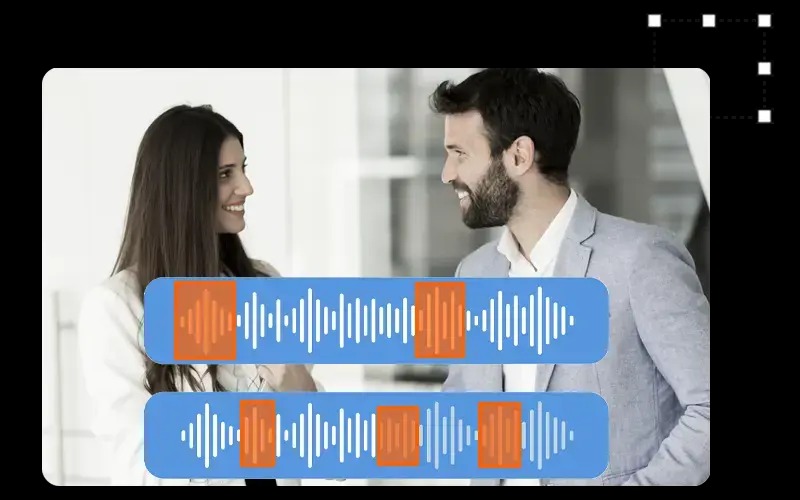
How Multilingual Annotators Enhance Voice Recognition
Voice recognition technology has come a long way, moving from basic command recognition to interpreting complex speech patterns across diverse languages. As global applications of this technology increase, so does the need for more nuanced and inclusive data. A key factor driving this development is the work of multilingual annotators, whose contributions are shaping voice recognition systems into more accurate, responsive, and culturally adaptable tools.
Bridging the Language Gap in Voice Technology
Voice recognition systems need more than just code; they require context, tone, and linguistic depth. Multilingual annotators help bridge the gap by providing real-world data in multiple languages and dialects. These professionals understand regional speech patterns, slang, and variations in pronunciation that automated systems often miss. Their input ensures that voice systems respond well not only to standard language but also to diverse accents and informal speech.
By addressing the challenges of multilingual data, annotators enable systems to better understand global users. This is especially valuable in regions where users may switch between languages or use localized terms within a single sentence. As a result, the systems become more accessible, delivering a smoother experience for speakers of less commonly supported languages.
Reducing Bias in Voice Recognition
Voice recognition technologies have been criticized in the past for underperforming with non-native accents or minority language speakers. This often stems from a lack of diverse data during training. Multilingual annotators help correct this imbalance by contributing annotated voice samples from a wide range of linguistic and cultural backgrounds.
Their involvement leads to more representative datasets, which help reduce systematic errors and biases. As a result, voice recognition becomes more inclusive, minimizing the risk of misinterpretation or exclusion for speakers outside the dominant language group. It ensures that all users are heard literally and figuratively by the systems they interact with daily.
Supporting Complex Speech Understanding
Speech is complex; it includes pauses, intonations, emotion, and context. Multilingual annotators don’t just label words; they interpret speech as it is used naturally. This allows voice recognition systems to distinguish between similar-sounding words, detect emotional tone, and even understand intent behind ambiguous phrases.
Such enhancements are crucial for applications like virtual assistants, transcription services, and accessibility tools. When annotators flag nuances in speech from different languages, they train models to respond more humanely and accurately. It brings voice technology closer to natural conversation rather than mechanical command recognition.
Encouraging Global Usability and Accessibility
With voice interfaces becoming a staple in daily life, from smartphones to smart homes, the need for universal usability has never been greater. Multilingual annotators help ensure that these systems are not confined to a few dominant languages. By continuously adding annotated voice data from across the world, they contribute to systems that can serve a global population.
This expansion also benefits people with speech disabilities or those in remote areas who rely on voice interfaces for basic digital access. Systems trained with diverse voice inputs become more adaptable, offering a more reliable experience across different use cases and environments.
Multilingual annotators play a vital role in shaping the future of voice recognition. Companies like AI Taggers Pty Ltd. help lead this effort by providing the linguistic expertise needed to improve accuracy, reduce bias, and enhance the user experience for a global audience. As voice recognition continues to integrate into everyday life, the value of diverse linguistic input becomes more apparent. These contributions are not just technical enhancements; they are steps toward a more inclusive digital world.
Post a comment